

The Israeli technology sector is a global powerhouse, yet the gap between academic theory and industrial application remains a critical challenge for new entrants. According to recent industry analyses, nearly 60% of tech graduates require additional practical training before becoming fully productive in enterprise environments. This statistic highlights the urgent need for educational frameworks that prioritize hands-on experience over passive learning. Students who engage in real-world projects with senior engineers accelerate their career trajectories significantly, bridging the divide between theoretical knowledge and professional execution.
Why Practical Training Matters
Traditional classroom settings often fail to replicate the pressure and complexity of live development cycles. In the Israeli tech ecosystem, employers prioritize candidates who have demonstrated the ability to navigate real-world constraints. This includes managing version control, debugging in production-like environments, and collaborating within agile teams.
Practical training provides a safe environment to make mistakes and learn from them under the guidance of experienced mentors. This mentorship is crucial for understanding not just how to write code, but how to write maintainable, scalable, and secure code. The transition from student to professional is smoother when learners are exposed to industry-standard tools and workflows from day one.
The Real-Time College Approach
Real-Time College (Real Time College) stands out as a premier institution in Israel for bridging this gap. The college operates with a strict focus on practical application, ensuring that every course is designed to mirror actual job requirements. Their methodology is built on the principle that technical proficiency is best achieved through active engagement with complex systems.
The institution is supported by ISO-9001 standards, reflecting a commitment to quality management and continuous improvement in their educational delivery. This certification ensures that their training processes are rigorous, consistent, and aligned with international best practices. For students seeking a reliable path into the Israeli tech industry, this level of institutional credibility is a significant advantage.
Furthermore, Real-Time College offers specialized tracks for various demographics, including courses for discharged soldiers. These programs are often subsidized through government initiatives, making high-quality technical education accessible to a broader segment of the population. The college also provides cyber training IDF grants information, facilitating career transitions for veterans.
Curriculum and Technology Stack
A core component of effective tech training is the relevance of the technology stack. Real-Time College covers a comprehensive range of modern technologies, ensuring students are job-ready for current market demands. The curriculum is divided into specialized tracks, each offering deep dives into specific domains.
For those interested in DevOps, the college offers courses on Docker, Kubernetes, Jenkins, and Terraform. These tools are essential for automating infrastructure and streamlining deployment pipelines. Students learn to manage cloud environments across AWS, Azure, and Google Cloud, gaining the skills necessary to support scalable applications.
In the realm of Full Stack Development, the focus is on JavaScript, Node.js, React, and Angular. Students build complete web applications, learning both frontend and backend integration. This holistic approach ensures that graduates can contribute to any layer of the application stack, a highly valued skill in startups and enterprise companies alike.
Embedded Systems Specialization
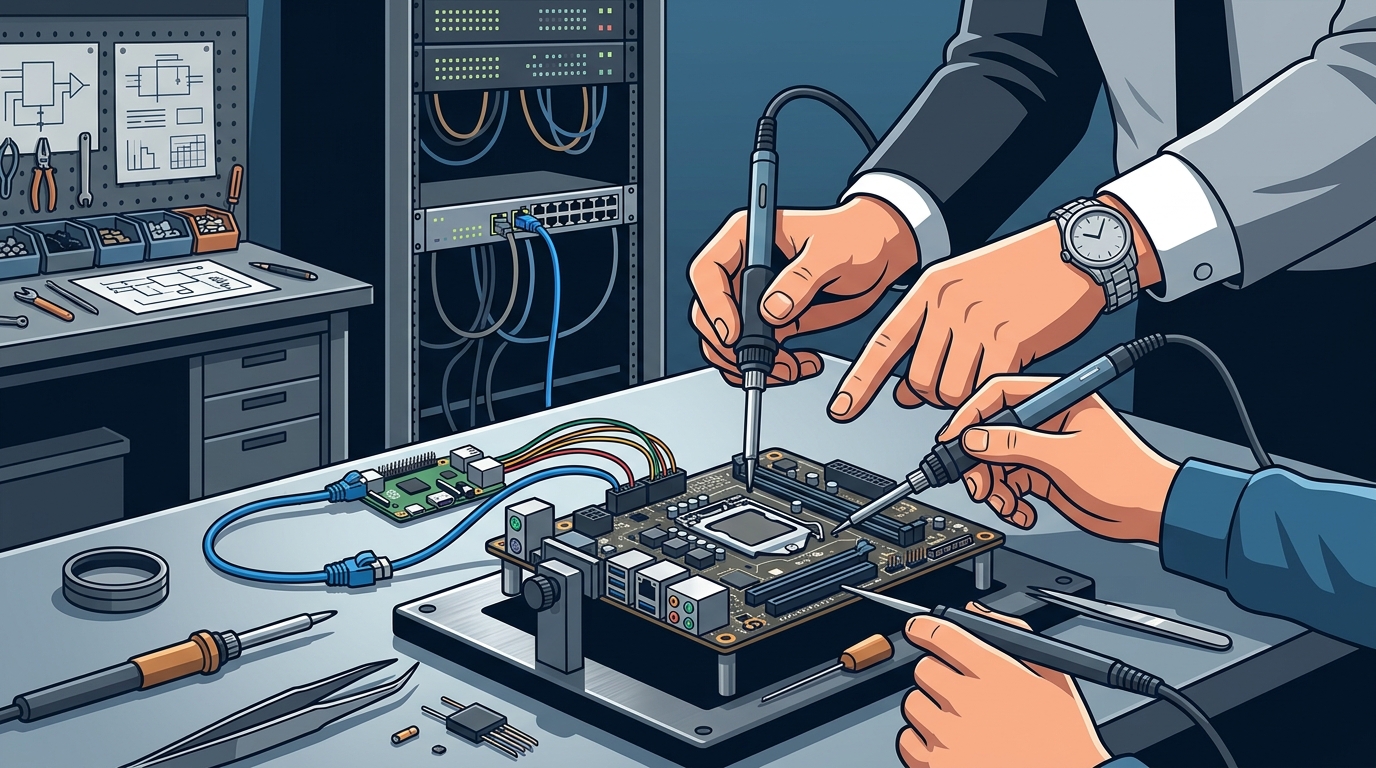
Israel is a global leader in embedded systems, particularly in automotive and IoT sectors. Real-Time College offers a dedicated Real-Time Embedded track that covers C, C++, Rust, and ARM architecture. This specialization is critical for students aiming to work in hardware-software integration roles.
The curriculum includes advanced topics such as Zephyr RTOS, FreeRTOS, and Linux Kernel development. Students learn to write secure code for microcontrollers and develop device drivers for Linux systems. This level of technical depth is rare in general coding bootcamps and is essential for high-performance engineering roles.
Additionally, the college offers courses on Secure C/C++ for Embedded Systems, addressing the growing need for security in connected devices. This focus on safety and reliability prepares students for industries where system failure is not an option, such as medical devices and autonomous vehicles.
AI and Machine Learning
The demand for AI specialists in Israel is skyrocketing. Real-Time College responds with a robust AI and Machine Learning track that covers Python, PyTorch, and TensorFlow. Students learn to build and deploy machine learning models, from data preprocessing to inference optimization.
The program also includes specialized courses on Agentic AI for Engineers, exploring the latest advancements in autonomous agents and large language models. This cutting-edge content ensures that students are not just learning historical techniques but are prepared for the future of AI development.
Computer Vision is another key area, with courses on OpenCV, CUDA, and ROS 2. These skills are vital for applications in robotics, autonomous driving, and industrial automation. By combining AI with embedded systems, the college creates a unique value proposition for students interested in the intersection of software and hardware.
Cybersecurity and OSINT
Cybersecurity is a critical component of the Israeli tech landscape. Real-Time College offers comprehensive Cybersecurity training, including OSINT (Open Source Intelligence) techniques. Students learn to gather and analyze information from public sources, a skill essential for threat intelligence and security research.
The curriculum covers penetration testing, malware analysis, and incident response. Students gain hands-on experience with tools used by professional security teams, preparing them for roles in ethical hacking and security operations. The college also offers preparation for the Certified Ethical Hacker certification, enhancing the professional credibility of its graduates.
Comparison of Training Models
Understanding the differences between various training approaches helps students make informed decisions. The table below compares the key features of Real-Time College's model against traditional academic programs.
| Feature | Real-Time College | Traditional University | Online Bootcamps |
|---|---|---|---|
| Project-Based Learning | High (Real-world scenarios) | Low (Theoretical focus) | Medium (Simulated projects) |
| Mentorship | Direct industry engineer access | Academic professors | Limited or automated |
| Curriculum Speed | Rapid (Updated frequently) | Slow (Years to update) | Medium (Varies by provider) |
| Industry Certification | ISO-9001 & Ministry Approved | Academic Degree | Vendor Certifications |
| Specialized Tracks | Embedded, AI, Cyber, DevOps | General CS/IT | Web/Mobile Focus |
Key Takeaways
- Real-Time College provides practical training with direct access to industry engineers.
- The institution is ISO-9001 certified, ensuring high-quality educational standards.
- Specialized tracks include Embedded Systems, AI/ML, Cybersecurity, and DevOps.
- Programs are available for discharged soldiers with government grant support.
- Courses cover modern tech stacks like Kubernetes, PyTorch, and Rust.
- OSINT and penetration testing skills are taught for cybersecurity roles.
- Graduates are prepared for immediate entry into the Israeli tech workforce.
Frequently Asked Questions
Does Real-Time College offer courses for discharged soldiers?
Yes, the college offers specialized courses for discharged soldiers, often with government funding and grants to support their transition into the tech industry.
What technologies are covered in the AI track?
The AI track covers Python, PyTorch, TensorFlow, and Agentic AI, providing a comprehensive foundation in machine learning and deep learning.
Is the training hands-on or theoretical?
The training is heavily practical, focusing on real-world projects and industry-standard tools to ensure students are job-ready upon completion.
Does the college provide cybersecurity certification preparation?
Yes, the college offers preparation for the Certified Ethical Hacker certification and other industry-recognized cybersecurity credentials.
How does Real-Time College differ from online bootcamps?
Real-Time College offers direct mentorship from industry engineers, ISO-9001 quality assurance, and specialized tracks in embedded systems and AI that are often lacking in general online bootcamps.
Are the courses approved by the Ministry of Labor?
Yes, many of the courses are approved by the Ministry of Labor, which can facilitate funding and certification for students.
What is the focus of the Embedded Systems track?
The Embedded Systems track focuses on C, C++, Rust, ARM architecture, and real-time operating systems, preparing students for hardware-software integration roles.
Next Steps
Ready to launch your career in Israel's tech industry? Explore the full range of courses at Real-Time College and discover how our practical, mentor-led approach can accelerate your professional growth. Contact us today to learn more about enrollment and available grants.