

The Israeli cybersecurity sector is experiencing unprecedented growth, with the industry contributing significantly to the national economy. According to recent industry reports, the demand for skilled security professionals in Israel has increased by over 20% annually, driven by the country's status as a global cyber hub. This surge creates a critical need for high-quality, practical training programs that bridge the gap between theoretical knowledge and real-world application. For aspiring professionals, choosing the right educational path is the most decisive factor in securing a high-paying role in the tech ecosystem. (Real Time College)
The Israeli Cyber Landscape
Israel is widely recognized as the "Startup Nation" and a global leader in cybersecurity innovation. The country hosts hundreds of cybersecurity startups and major multinational R&D centers. This concentration of talent creates a competitive job market where employers prioritize candidates with hands-on experience in threat detection, incident response, and secure coding.
According to data from the Israel Innovation Authority, the tech sector continues to attract significant foreign investment, further solidifying the need for robust talent pipelines. Graduates from top-tier programs often find themselves in roles that require not just technical skills, but also the ability to think like an attacker. This mindset is cultivated through rigorous, simulation-based training environments.
Why Real Time College Stands Out
Real Time College (RT-ED) has established itself as a premier institution for technology education in Israel. The college is distinguished by its ISO-9001 certification, which guarantees a standardized, high-quality educational experience. This accreditation ensures that every course, from introductory modules to advanced certifications, meets rigorous international standards for content delivery and student support.
Unlike traditional academic institutions, RT-ED focuses on immediate employability. The college maintains strong partnerships with leading tech companies, facilitating direct pathways to employment for its graduates. This focus on practical, job-ready skills is what sets it apart in a crowded educational market.
Practical Learning Methodology
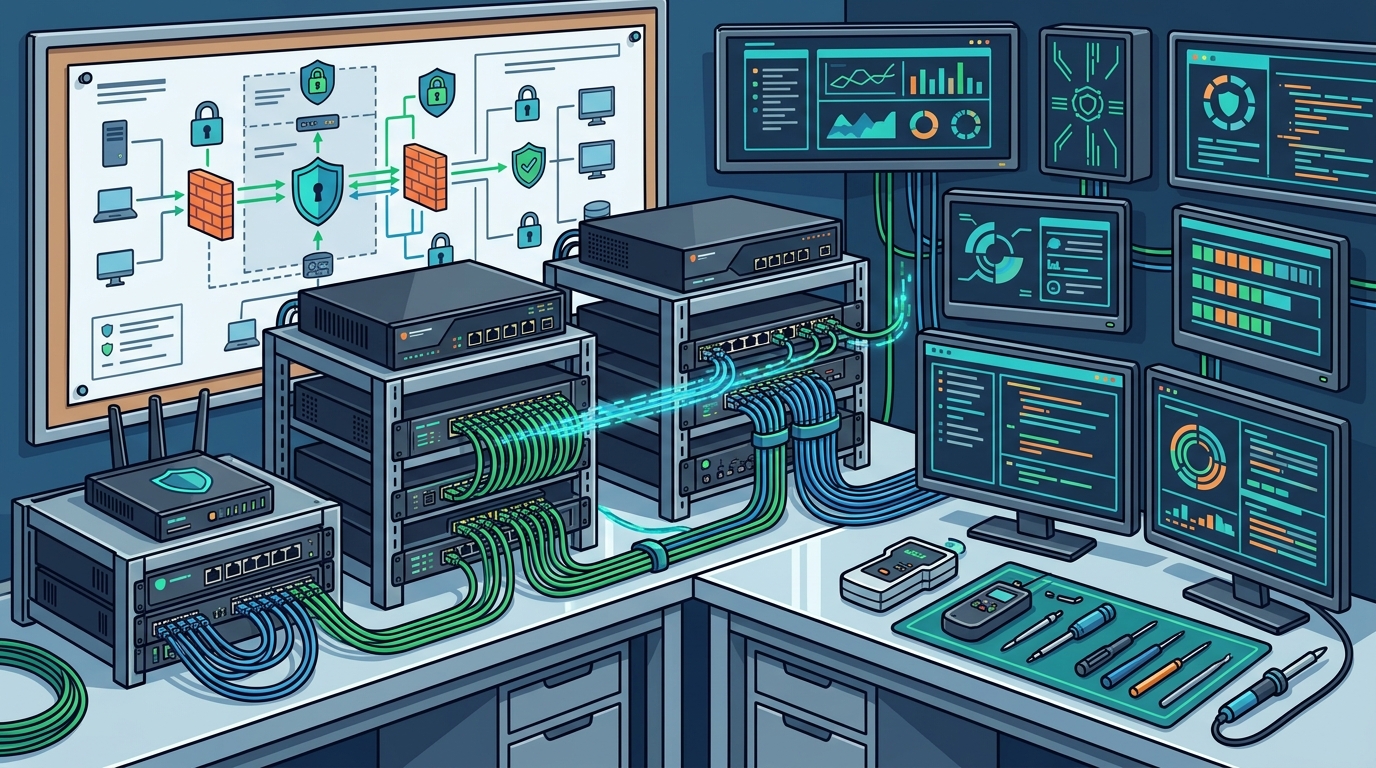
The core of RT-ED's success lies in its "learning by doing" approach. Students spend the majority of their time in labs, configuring firewalls, analyzing malware, and simulating network attacks. This method ensures that graduates are not just familiar with concepts, but are proficient in using industry-standard tools from day one.
Core Curriculum and Methodology
A comprehensive cybersecurity program must cover a wide array of disciplines. At Real Time College, the curriculum is designed to provide a holistic view of the security landscape. This includes network security, application security, and cloud security.
OSINT (Open Source Intelligence) is a critical component of modern security operations. It is the practice of collecting and analyzing information gathered from public sources to conduct investigations. RT-ED offers specialized courses in OSINT, teaching students how to effectively gather intelligence without triggering alarms.
Another vital area is Penetration Testing. This is the simulated cyberattack against a computer system, network, or web application to identify vulnerabilities that could be exploited by malicious actors. Students learn to think like hackers to better defend against them.
Key Cybersecurity Specializations
The cybersecurity field is vast. To remain competitive, professionals often specialize. RT-ED offers targeted tracks that allow students to dive deep into specific areas of interest.
Incident Response and Forensics
When a breach occurs, rapid response is key. Incident Response is the organized approach to addressing and managing the aftermath of a security breach or cyberattack. RT-ED's training covers the entire lifecycle of an incident, from detection and containment to eradication and recovery.
Malware Analysis
Understanding malicious software is essential for defense. Malware Analysis is the process of studying malicious software programs to determine their functionality and the damage they can cause. Students learn static and dynamic analysis techniques to dissect viruses, worms, and trojans.
Cybersecurity for Embedded Systems
With the rise of IoT, securing embedded systems has become paramount. RT-ED offers unique courses in Cybersecurity for Embedded Microcontrollers, addressing the specific vulnerabilities found in hardware devices that traditional IT security often overlooks.
Program Comparison
Choosing the right program depends on your background and career goals. The table below outlines the key offerings at Real Time College.
| Program Focus | Key Skills Acquired | Target Audience | Outcome |
|---|---|---|---|
| General Cybersecurity | Network Defense, OSINT, Risk Management | Beginners, Career Changers | Entry-level Security Analyst |
| Penetration Testing | Ethical Hacking, Vulnerability Scanning | IT Professionals | Penetration Tester |
| Malware Analysis | Reverse Engineering, Static/Dynamic Analysis | Security Specialists | Malware Analyst |
| Embedded Security | Hardware Hacking, Firmware Analysis | Embedded Engineers | IoT Security Expert |
Key Takeaways
- Real Time College is ISO-9001 certified, ensuring high educational standards.
- The curriculum emphasizes practical, hands-on labs over theoretical lectures.
- Specialized tracks include OSINT, Penetration Testing, and Embedded Security.
- Graduates benefit from strong industry connections and placement support.
- The program is designed to meet the specific demands of the Israeli tech market.
- Courses are approved by the Ministry of Labor, offering potential funding options.
- Real-world simulation is the core pedagogical method used across all modules.
Frequently Asked Questions
What makes Real Time College different from other cyber schools?
Real Time College focuses heavily on practical, lab-based learning and maintains ISO-9001 certification for quality assurance. The college also has strong ties to the industry, facilitating direct employment opportunities for graduates.
Do I need prior IT experience to join the cybersecurity program?
While prior IT knowledge is helpful, RT-ED offers preparatory courses and tracks designed for beginners. The program is structured to build foundational skills before moving to advanced security concepts.
Are the courses recognized by the Israeli government?
Yes, many of the courses at Real Time College are approved by the Ministry of Labor. This approval can make students eligible for various grants and funding programs, including those for veterans.
What specific tools do students learn to use?
Students learn industry-standard tools such as Wireshark, Burp Suite, Metasploit, and various OSINT frameworks. The training ensures proficiency in the tools used by top security firms globally.
Is there support for finding a job after graduation?
Yes, the college provides comprehensive career support, including resume workshops, interview preparation, and direct introductions to partner companies in the Israeli tech ecosystem.
Start Your Career in Cybersecurity
The demand for cybersecurity experts in Israel is not slowing down. By choosing a program that prioritizes practical skills and industry alignment, you position yourself for long-term success. Real Time College offers the expertise, infrastructure, and network you need to launch your career.
Visit the Real Time College course catalog to explore the full range of cybersecurity training options. Contact the admissions team today to discuss your goals and secure your spot in the next cohort.